
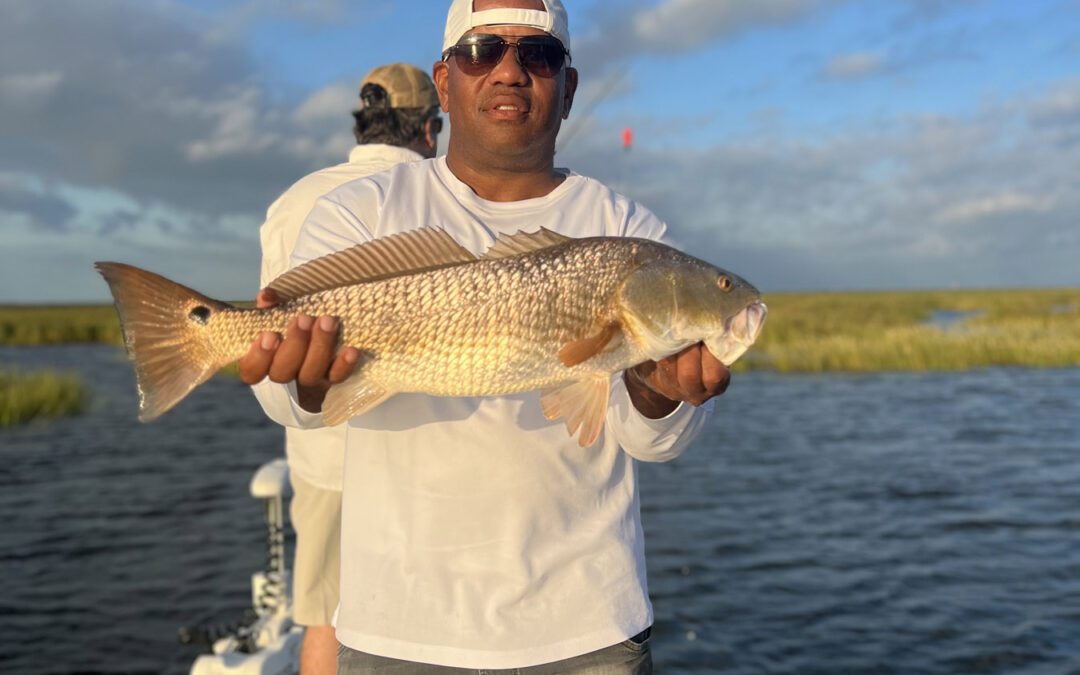
New Orleans is known for its music, food, and culture, but it’s also one of the best fishing destinations in the Gulf. The mix of marshes, bayous, and coastal waters creates a thriving habitat for redfish, speckled trout, and flounder year-round. Whether you’re a weekend angler or planning your first inshore trip, knowing the right fishing spots around New Orleans can make all the difference. In this guide, we’ll break down the top places to fish, what species you can expect to catch, and what conditions to look for before heading out. You’ll also learn how local charter captains, like the team at Waterfowl Specialist in St. Bernard, help anglers make the most of each trip. By the end, you’ll have a clear plan for exploring the best fishing spots around New Orleans.
Understanding the New Orleans Area Fishery
Geography & Water Types
The New Orleans area sits within one of the most dynamic coastal ecosystems in the country. A network of marshes, bayous, and tidal estuaries connects directly to the Gulf of Mexico, providing endless opportunities for inshore fishing. The blend of freshwater from the Mississippi River and saltwater from the Gulf creates brackish zones where many popular game fish thrive.
From the open water of Lake Pontchartrain to the winding marshes of Delacroix and Hopedale, anglers can find diverse habitats in every direction. Each area offers something different: shallow grass flats for sight fishing, deeper channels for drifting, and coastal bays that hold speckled trout and redfish throughout the year. Understanding how these waters interact is key to predicting fish movement and finding consistent action.
Primary Species to Target & When
The inshore fishery around the prized Louisiana fish species that attract anglers from across the Gulf Coast. Redfish, or red drum, are the most iconic. They roam the marshes, ponds, and grass flats year-round and offer incredible sight fishing opportunities. Speckled trout are another favorite, thriving in brackish bays and passes, especially from late spring through fall. Flounder, black drum, and sheepshead round out the mix and are often caught while targeting the main two species.
Each fishing season brings unique patterns:
- Spring: Speckled trout school up in lakes and passes as water temperatures rise.
- Summer: Redfish push deeper into marsh ponds where grass and baitfish are thick.
- Fall: Cooling temperatures spark aggressive feeding, creating some of the best action of the year.
- Winter: Larger reds and drum move into deeper channels and protected marsh areas.
Knowing when and where to target these fish helps anglers plan more productive trips. Whether fishing on your own or booking a charter, understanding these seasonal shifts is essential to success in the New Orleans fishery.
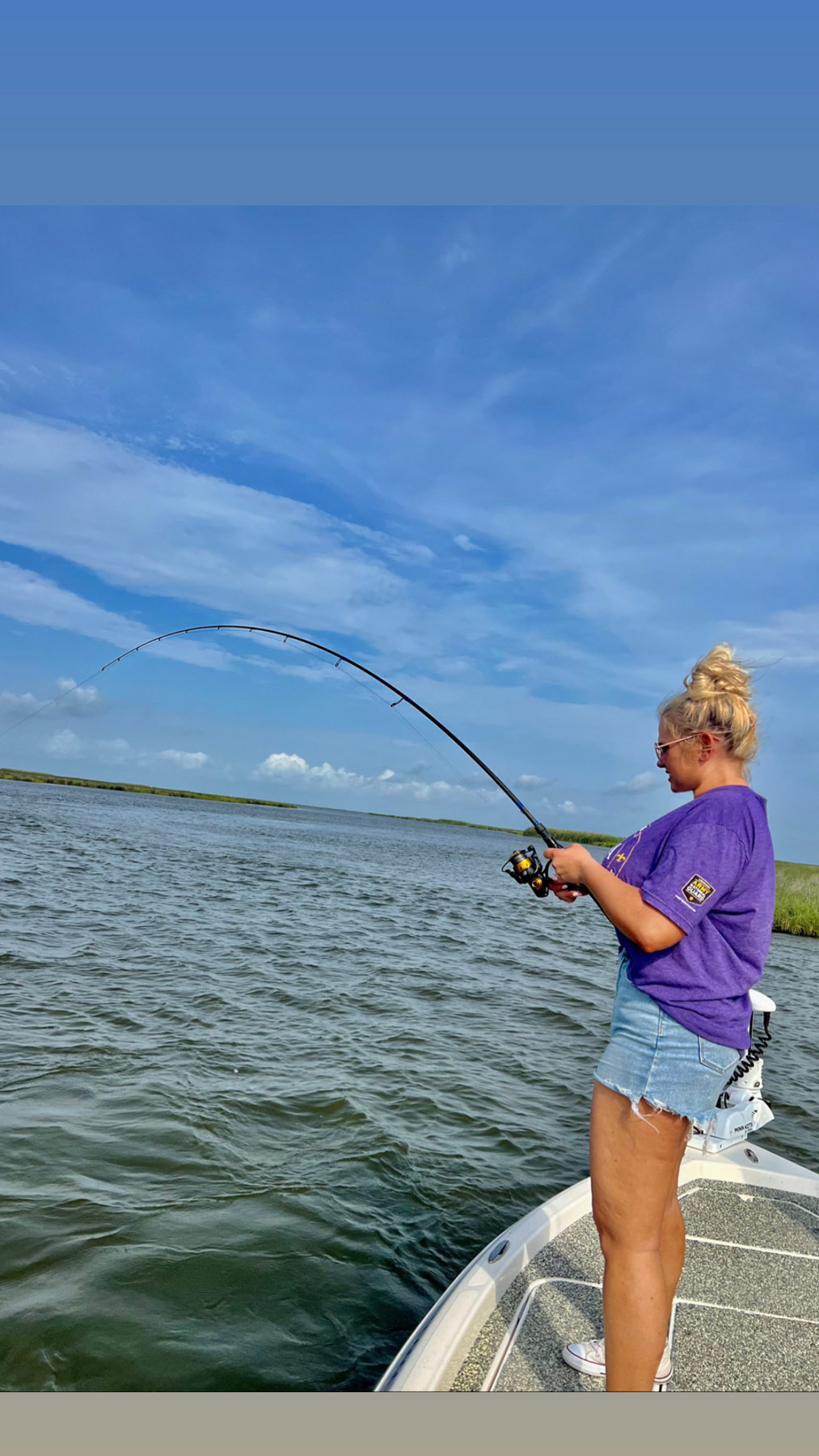
Top Inshore & Nearshore Fishing Spots Around New Orleans
Lake Salvador
Located southwest of New Orleans, Lake Salvador is a shallow, brackish body of water known for consistent redfish and speckled trout action. Its mix of grassy flats and shell bottom structure makes it ideal for anglers who enjoy casting soft plastics or live shrimp under popping corks. The surrounding bayous and canals also hold flounder and black drum throughout the year. Because the lake is shallow and wind-sensitive, calm mornings are the best time to fish. Access is available from several nearby launches, and it’s a great spot for both boat and kayak anglers.
Lake St. Catherine
Sitting between Lake Pontchartrain and Lake Borgne, Lake St. Catherine offers a blend of tidal flow and clean water that attracts speckled trout, redfish, and sheepshead. This lake provides easy access to both interior marshes and open water, making it one of the more versatile fishing locations near New Orleans. Many anglers drift across shell reefs or target cuts and passes where current concentrates baitfish. The nearby Rigolets and Chef Pass are also reliable for larger trout and slot reds, especially during moving tides.
Breton & Chandeleur Sound
Farther out toward the Gulf, Breton and Chandeleur Sound offer some of the most scenic and productive fishing in southeast Louisiana. These areas feature barrier islands, grass flats, and deeper channels that hold large schools of trout and bull redfish. The clear water and strong tidal movement create ideal conditions for artificial lures and sight casting. Anglers visiting these areas often experience world-class fishing paired with incredible wildlife views. Access typically requires a boat capable of handling open water, but guided trips make it easy for visitors to reach these legendary locations.
Delacroix & Hopedale Marshes
The marshes near Delacroix and Hopedale are considered the heart of Louisiana’s inshore fishing scene. A maze of ponds, canals, and grass flats stretches for miles, providing endless spots to target redfish and trout. Sight fishing in shallow water is especially popular here, with tailing reds visible on calm days. The area also produces steady action with jigs, spoons, and live bait. Delacroix and Hopedale are located southeast of New Orleans and offer multiple launch points, making them a top choice for both experienced and first-time anglers.
Irish Bayou & Eastern New Orleans Marshes
Just minutes from downtown, Irish Bayou provides a surprising escape into wild, fish-filled marsh. This area is perfect for quick trips or anglers without access to large boats. The calm waters are home to redfish, black drum, and trout, especially around grass edges and canal intersections. Because of its proximity to the city, it’s an ideal location for anyone looking to squeeze in a few hours of fishing before or after other plans. The marshes east of the bayou offer similar opportunities with slightly more solitude and less boat traffic.
Choosing the Right Spot: Factors to Consider
Water Level, Tides & Salinity
In the New Orleans area, water level and salinity are two of the biggest factors that influence where fish will be found. The marshes are heavily affected by tides, and fish move in and out with the water flow. High tides often push redfish and trout deep into ponds and grass flats, while low tides concentrate them in deeper channels and bayous. The Mississippi River also plays a role by releasing freshwater that changes salinity levels throughout the region. When salinity drops too low, species like trout move closer to open water where the mix is saltier. Checking tide charts and salinity reports before your trip helps determine which zones will produce best on any given day.
Wind & Weather Constraints
Weather is a major factor when choosing a fishing spot near New Orleans. Wind direction can quickly change water clarity and accessibility, especially in shallow marshes and open lakes. A strong north or east wind can lower water levels, while south winds push water back into the marsh. Calm mornings often offer the best conditions for sight fishing and topwater bites. Anglers should also watch for temperature swings that shift fish behavior, particularly in spring and fall. Consistent, mild weather generally leads to better feeding activity, while sudden fronts can make fish sluggish for a day or two.
Access & Boat Draft Requirements
Not all fishing areas are equally accessible. Some of the best redfish and trout zones near New Orleans are tucked deep into shallow marshes that require boats with a light draft. Areas like Hopedale and Delacroix are ideal for shallow-draft skiffs, while larger lakes and sounds can handle bay boats and center consoles. It’s important to know your boat’s limits before heading out, as many marshes have narrow channels and soft mud bottoms. For those without boats, there are productive bank and kayak fishing opportunities in places like Irish Bayou and Lake Pontchartrain. Choosing a spot that matches your boat type and comfort level ensures a safer and more enjoyable trip.
Local Knowledge & Private vs Public Waters
Understanding which waters are public and which are privately leased is crucial in Louisiana’s marshes. Much of the land and water access around New Orleans is privately owned, even though it may appear open. Hiring a local guide or charter service helps navigate these boundaries and avoid potential issues. Beyond access rights, local captains bring years of experience reading conditions, predicting fish movements, and choosing safe routes through the marsh. They know where fish are likely to be based on tide, season, and weather, saving anglers time and frustration. For visitors especially, relying on that local knowledge can turn a good fishing day into a great one.
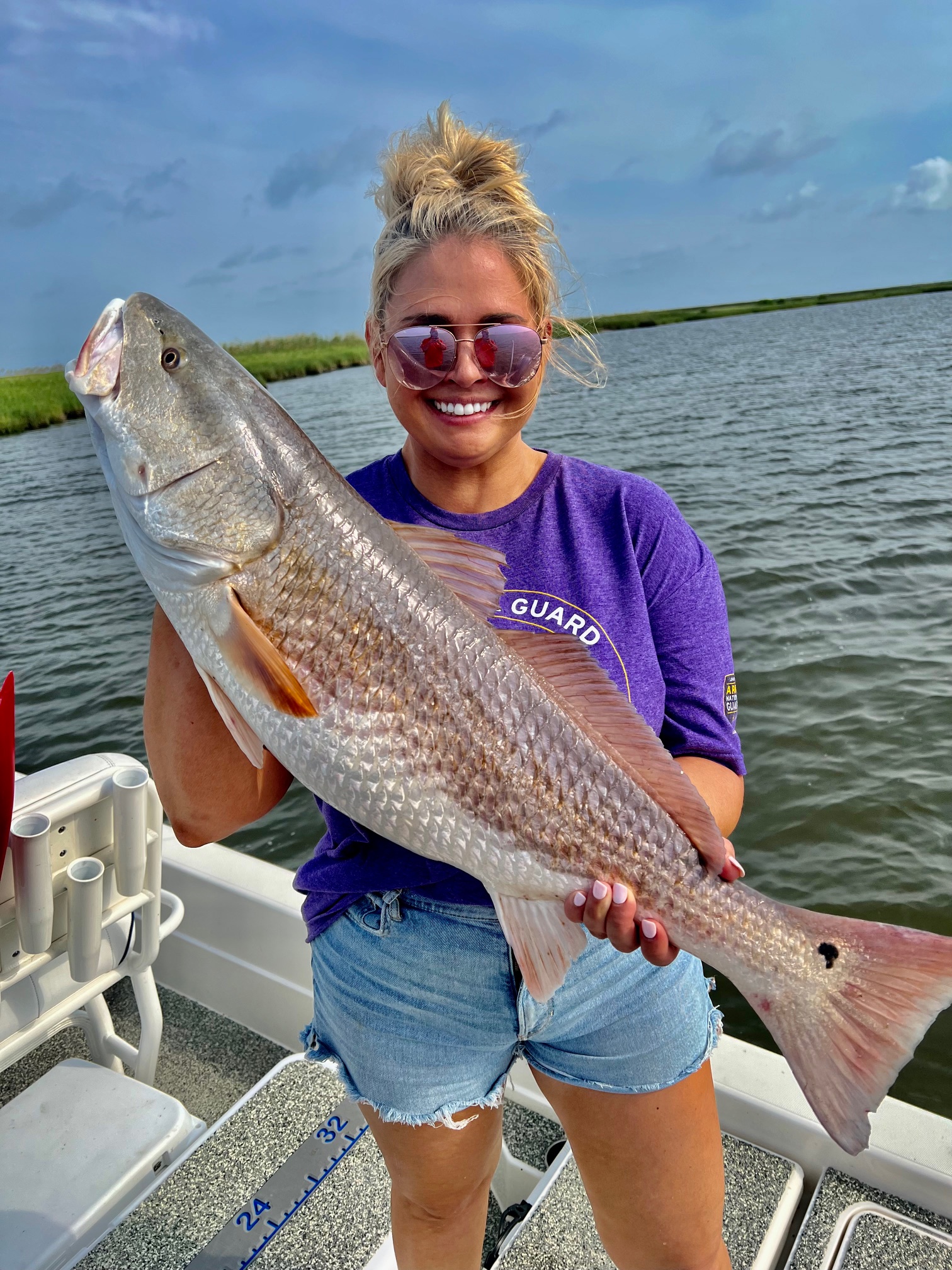
Fishing Tactics & Tips for New Orleans Spots
Bait & Lures Recommendations
The inshore fishery around New Orleans offers a mix of shallow and open water environments, so choosing the right bait makes a big difference. Live shrimp and cocahoe minnows are top choices for consistent action, especially when fished under a popping cork. For artificial lures, soft plastics on jig heads are versatile and can be worked across grass lines or along oyster reefs. Topwater plugs are productive early in the morning when trout and redfish feed aggressively. Gold spoons and spinnerbaits also shine in stained or windy conditions, helping attract strikes from redfish in murkier water. Keeping a small variety of natural and artificial options ensures you can adjust to changing conditions.
Presentation & Depth Strategy
Successful anglers in New Orleans learn to adjust lure presentation based on depth, clarity, and current. In shallow ponds or flats, a slow and subtle retrieve works best, especially when sight fishing for redfish. In deeper channels or lake edges, letting a jig fall naturally before bouncing it off the bottom triggers strikes from trout and flounder. Using tide movement to your advantage is key; fish are most active when the current is moving, bringing baitfish through natural feeding lanes. Always pay attention to how fish respond and fine-tune your presentation throughout the day.
Drift, Anchor, or Poling Methods
Every spot around New Orleans requires a slightly different approach. Drifting works well in larger lakes like Pontchartrain or St. Catherine, allowing anglers to cover more ground while locating schools of fish. Anchoring or using a shallow-water pole is better in tight marsh ponds, where staying quiet and stable helps when casting toward redfish in skinny water. Poling is especially effective in clear, shallow areas where stealth is needed. Choosing the right positioning method for your location and conditions can be the difference between spotting fish and spooking them.
Gear & Rig Setup
A medium-light spinning setup with 10- to 15-pound braided line is ideal for most inshore fishing around New Orleans. Adding a 20- to 30-pound fluorocarbon leader helps prevent break-offs around shell or structure. For redfish, anglers often prefer slightly heavier setups to handle stronger fights in tight spaces. When fishing for speckled trout or flounder, a lighter rod and smaller jig head improve sensitivity and lure control. Electronics such as GPS mapping and shallow-water sonar are helpful for tracking tide movements and locating structure. Having the right gear tuned for your target species makes each trip more efficient and enjoyable.
Booking A Charter With Waterfowl Specialist
The Charter Experience You Actually Want
Hundreds of 5-star reviews don’t happen by accident. When you fish with Waterfowl Specialist, we take care of everything — bait, tackle, drinks, and we even make you lunch. If you’re staying at the lodge, that’s breakfast, lunch, and dinner.
No nickel-and-dime games. One fair price covers your trip, bait, and fuel. That’s it.
Captain Jimmy Corley was born and raised right here in St. Bernard. He knows these waters like the back of his hand — and when conditions get tough and other captains start making excuses, he keeps working. That’s why clients come back year after year.
Call (504) 258-4431 to book your trip.
Trip Types & Duration
Waterfowl Specialist offers several trip options to fit different schedules and preferences. Half-day trips are perfect for beginners or families looking for a relaxed morning or afternoon on the water. Full-day charters give anglers time to explore multiple areas and experience both marsh and open-water fishing. Multi-day packages are available for those who want to maximize time on the water and enjoy different types of fishing across the region. Each trip includes all essential gear, bait, and tackle, so guests can focus entirely on fishing and having fun.
What Clients Should Bring & How to Prepare
To make the most of your trip, a few preparations go a long way. Anglers should bring a valid Louisiana fishing license, polarized sunglasses, sunscreen, and weather-appropriate clothing. A small cooler with drinks and snacks helps keep you comfortable throughout the day. If you prefer to use your own rods or lures, you’re welcome to bring them along. Before departure, the captain will review safety guidelines, the day’s plan, and current conditions to ensure everyone is prepared and comfortable. Being ready ahead of time helps maximize fishing time once you’re on the water.
Conservation, Safety & Etiquette
Waterfowl Specialist emphasizes responsible fishing practices that protect Louisiana’s coastal ecosystem. Captains encourage catch-and-release when possible and educate anglers on handling fish carefully to ensure healthy populations for future generations. Safety is always the top priority, with each boat equipped with life jackets, first aid supplies, and proper communication gear. Respect for fellow anglers, wildlife, and the marsh environment is part of every trip. By following these guidelines, guests enjoy a safe, rewarding, and environmentally mindful fishing experience guided by Louisiana Fishing Charters who care about the resource.
FAQs About New Orleans Fishing Spots
1. What are the best fishing spots near New Orleans?
Some of the best fishing spots near New Orleans include Lake Pontchartrain, Lake St. Catherine, Delacroix, Hopedale, and the Chandeleur Sound. Each area offers different opportunities for redfish, speckled trout, and flounder depending on the season. Anglers can fish from the shore, by kayak, or with a local charter to reach the most productive locations.
2. Can you fish in New Orleans without a boat?
Yes, there are several accessible fishing areas around New Orleans for anglers without a boat. Popular shore and pier locations include the Seabrook Bridge, Bonnabel Boat Launch, and areas along Irish Bayou. You can also fish public marsh edges and canals that provide easy access to redfish and speckled trout.
3. What fish can you catch near New Orleans?
Common inshore species include redfish, speckled trout, flounder, black drum, and sheepshead. These species thrive in the brackish waters around the city and are available year-round. The type of fish you’ll catch depends on the season, salinity levels, and where you choose to fish.
4. When is the best time of year to fish in New Orleans?
The best fishing typically occurs in spring and fall when water temperatures are comfortable and fish feed aggressively. Summer offers excellent early morning and late evening bites, while winter brings bigger redfish and drum to deeper marshes. Each season provides unique opportunities, so there’s never a bad time to fish.
5. Do I need a fishing license to fish around New Orleans?
Yes, a valid Louisiana fishing license is required for both residents and visitors. Licenses can be purchased online or at local sporting goods stores and are available for short-term or annual use. Make sure to carry proof of your license when fishing public waters.
6. Should I hire a fishing charter in New Orleans?
Hiring a local charter is one of the best ways to maximize your success and safety on the water. Experienced captains know the best fishing spots, tides, and seasonal patterns that produce consistent catches. They also provide all necessary gear and handle navigation through the complex marsh system, making your trip easy and enjoyable.
Plan Your Next Adventure at the Best New Orleans Fishing Spots
New Orleans offers some of the most diverse and rewarding inshore fishing opportunities in the Gulf region. From the marshes of Delacroix and Hopedale to the open waters of Lake St. Catherine and the Chandeleur Sound, anglers can find incredible action for redfish, trout, and more throughout the year. Understanding tides, weather, and local fish behavior helps you choose the right spot and approach for a successful day on the water. Whether you’re an experienced angler or a first-timer, a guided trip makes all the difference. Book your next fishing adventure with Waterfowl Specialist and experience Louisiana’s best fishing spots with a local expert by your side. Visit our website or call today to plan your New Orleans fishing trip and see why anglers keep coming back year after year.