

Louisiana is known across the country as one of the most productive fishing destinations in the United States. The unique blend of marshes, estuaries, and coastal waters near New Orleans creates a habitat where a wide range of fish thrive. For anglers, this means the opportunity to target species that are not only fun to catch but also play a vital role in the local ecosystem.
Understanding the Louisiana fish species you are likely to encounter on an inshore trip helps in more ways than one. It improves your chances of success on the water, ensures you stay within the rules set by the Louisiana Department of Wildlife and Fisheries, and supports conservation efforts that keep these fisheries healthy for the future.
In this guide, we will cover the most important inshore species you are likely to encounter:
- Redfish (Red Drum)
- Speckled Trout (Spotted Seatrout)
- Flounder
- Black Drum and related species
The Inshore Waters of Louisiana
Louisiana’s coastline is shaped by the Mississippi River and countless marshes, bayous, and estuaries. These areas are known as inshore waters, and they serve as nurseries for many of the fish species that anglers target year-round. The mix of fresh water flowing from rivers and salt water pushing in from the Gulf of Mexico creates a unique environment that supports incredible biodiversity.
Inshore waters typically include:
- Marshes and tidal flats
- Coastal bays and lagoons
- Shallow estuaries where fresh and salt water meet
Each of these habitats offers food, shelter, and breeding grounds for species like redfish, speckled trout, flounder, and drum. For anglers, understanding how these environments function is key to predicting where fish will be most active.
New Orleans sits right in the middle of some of the most productive inshore waters in the state. Just a short ride from the city, New Orleans fishing charters can access prime fishing areas such as Lake Pontchartrain, Breton Sound, and the Mississippi River Delta.
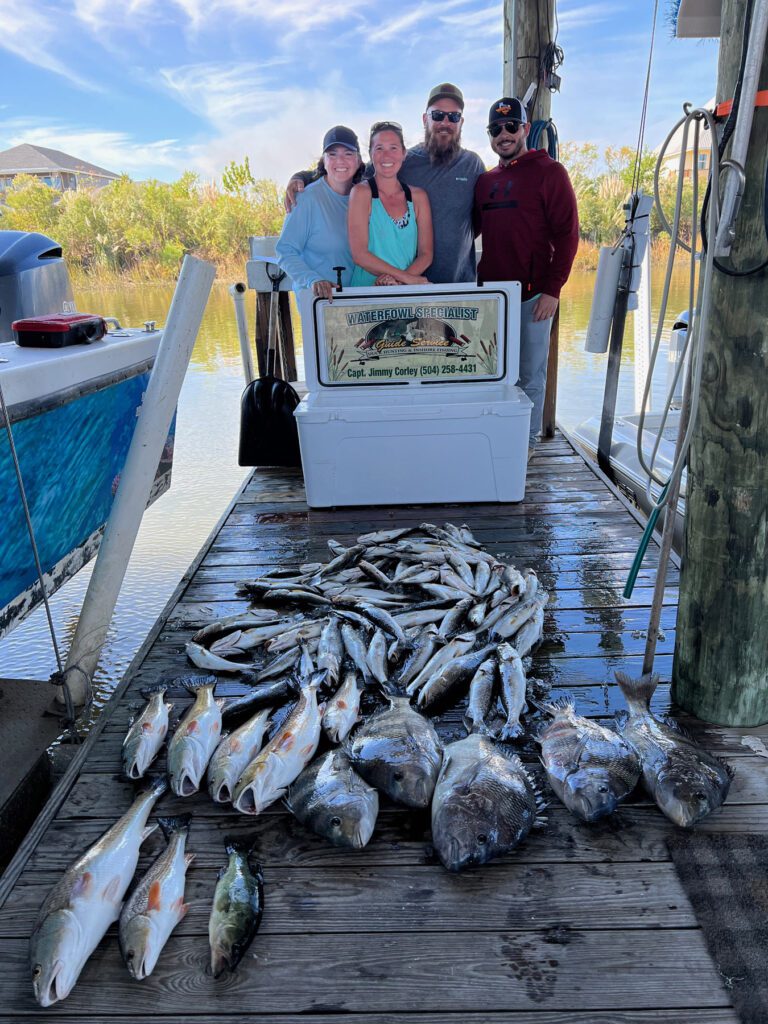
Redfish (Red Drum)
Identification and Behavior
Redfish are one of the most recognizable species in Louisiana. They are known for their bronze coloring and the distinctive black spot near the tail. Some fish have more than one spot, but even a single mark is usually enough for quick identification. Redfish are opportunistic feeders, taking shrimp, crabs, and baitfish. Their feeding habits make them exciting to target, as they often tail in shallow water while searching for food.
Where to Find Them
Inshore anglers often find redfish on marsh flats, around oyster beds, and along grassy shorelines. They are also common in tidal passes and shallow ponds connected to larger bays. During cooler months, redfish move into deeper holes for warmth, while in warmer weather they are frequently spotted cruising the shallows. Near New Orleans, popular areas include the marshes of St. Bernard Parish and the edges of Lake Borgne.
Regulations to Know
Louisiana fishing charters follow specific rules for redfish to maintain healthy populations. Anglers must follow slot limits, keeping fish within a certain size range and releasing those that are too small or too large. There is also a daily bag limit, with a maximum number of redfish allowed per person. Oversized “bull reds” are especially regulated, and many anglers choose to release them to support conservation. Checking the Louisiana Department of Wildlife and Fisheries website before every trip ensures compliance with current rules.
Speckled Trout (Spotted Seatrout)
Identification and Behavior
Speckled trout are one of the most popular inshore game fish in Louisiana. They are silver in color with dark spots scattered across the back and sides, which gives them their name. Unlike freshwater trout, these fish are members of the drum family. Speckled trout feed primarily on shrimp and small baitfish, often striking aggressively at lures or live bait. Their schooling behavior makes them a favorite for anglers who want fast action.
Best Habitats
These fish thrive in estuaries and shallow coastal waters. Anglers commonly find them around seagrass beds, oyster reefs, and tidal passes where bait is plentiful. Water clarity and temperature play a big role in locating speckled trout. In spring and summer, they move into bays and marsh edges. During colder months, they shift to deeper holes and channels until temperatures rise again.
Regulations to Know
Louisiana enforces bag and size limits for speckled trout, and these rules can vary depending on the area. Anglers must check current regulations before keeping their catch. A daily creel limit restricts how many trout can be harvested in one day, and slot limits determine which sizes may be kept. Following these rules helps protect spawning populations and ensures that future generations can continue to enjoy this fishery.
Flounder
Identification and Behavior
Flounder are flatfish with both eyes located on one side of their body, an adaptation that allows them to lie flat against sandy or muddy bottoms. Their brown, mottled coloration provides excellent camouflage, making them hard for predators and anglers to spot. Flounder are ambush predators, feeding on shrimp, small crabs, and baitfish. They wait motionless on the bottom and strike quickly when prey passes by.
Where Anglers Encounter Flounder
Inshore anglers usually find flounder near sandy shorelines, tidal passes, and cuts that connect marshes with open water. Structures such as pilings, jetties, and docks also hold flounder since bait tends to concentrate there. Seasonal migrations occur in the fall, when flounder move toward the Gulf to spawn, creating excellent fishing opportunities. During warmer months, they remain in bays and estuaries where food is abundant.
Regulations to Know
Flounder populations are carefully managed in Louisiana due to their vulnerability during spawning runs. Anglers must follow strict bag and size limits, which can vary by season. A closed season is typically enforced in the fall to protect spawning females, and this is an important conservation measure. Checking the Louisiana Department of Wildlife and Fisheries regulations before fishing ensures compliance and helps protect this species for the future.
Black Drum and Other Drum Species
Identification and Behavior
Black drum are close relatives of redfish, but they are typically larger and darker in color. Juveniles have vertical black stripes along their sides, while adults are more uniform gray or black. They are bottom feeders, using strong jaws to crush crabs, oysters, and other shellfish. Black drum are known for their “drumming” sound, produced by vibrating muscles against their swim bladder, which gives the drum family its name.
Where to Find Drum in Louisiana Waters
Inshore anglers encounter black drum around oyster reefs, deeper channels, and along marsh edges where crustaceans are plentiful. Smaller drum are often caught in shallow water, while larger adults may be found in deeper passes or near structures such as bridges and docks. In the waters near New Orleans, Lake Pontchartrain and the Mississippi River Delta are both prime spots for targeting drum throughout the year.
Regulations to Know
Louisiana sets size and bag limits for black drum to protect the species. Slot limits allow anglers to keep fish within a certain size range, while oversized individuals are usually limited to one per person each day. These rules protect the breeding stock while still allowing anglers to enjoy harvesting smaller drum for the table. Staying up to date with regulations through the Louisiana Department of Wildlife and Fisheries ensures responsible fishing practices.
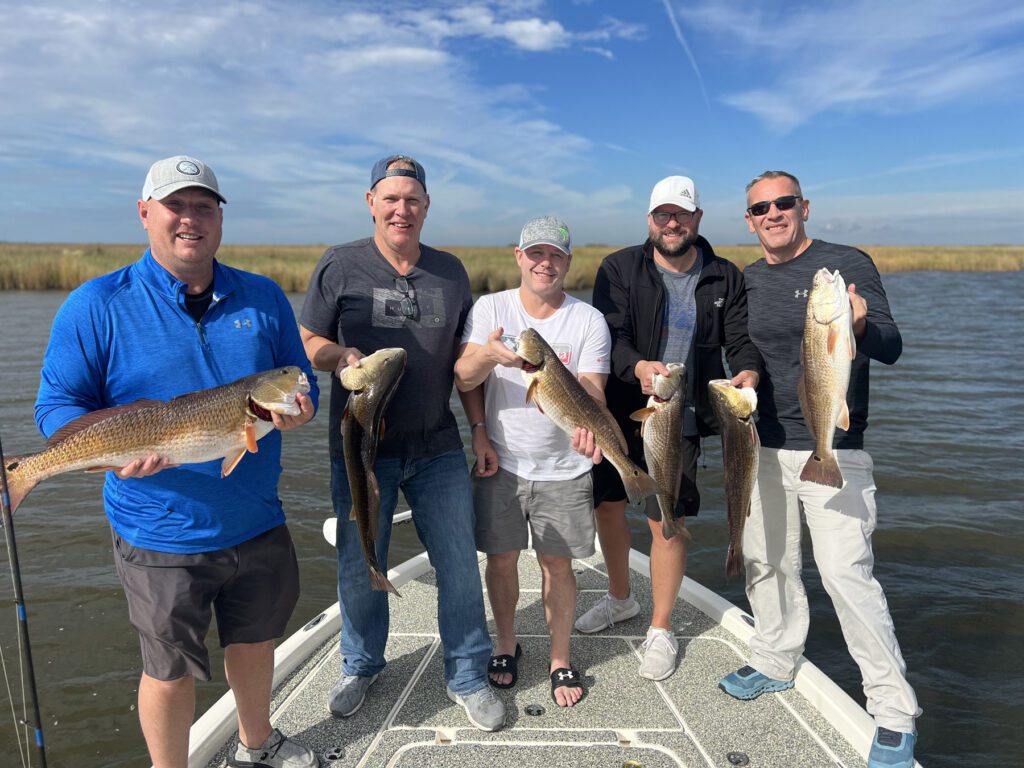
Seasonal Patterns and Environmental Factors
When Each Species is Most Active
Seasonal changes play a major role in where and when anglers can expect to find inshore fish. Redfish are often most active in the fall, when they gather in large schools and feed aggressively before cooler temperatures arrive. Speckled trout peak during spring and summer, moving into bays and marshes as baitfish populations increase. Flounder are best targeted in the fall, when they migrate toward the Gulf for spawning. Black drum can be caught year-round, but their activity often increases in cooler weather when they gather around deeper channels.
How Weather and Tides Impact Fishing Success
Weather and tides are just as important as seasonal cycles. Rising tides push bait into marshes, which draws redfish and flounder into shallow areas. Falling tides concentrate fish in deeper passes and channels, creating predictable feeding opportunities. Water temperature influences speckled trout movements, while strong cold fronts can drive them into protected holes. Clear water after a stretch of calm weather often improves sight fishing, while cloudy conditions may require anglers to rely more on scent-based baits.
Gear, Bait, and Techniques by Species
Redfish
Redfish are aggressive feeders, which means they respond well to a variety of setups. Medium spinning tackle is often enough, paired with braided line and a fluorocarbon leader for clear water. Live shrimp and mullet are consistent choices, while soft plastics and spoons work well for sight casting on flats. Anglers often look for tailing fish in shallow marshes and place baits carefully to avoid spooking them.
Speckled Trout
Light to medium tackle is ideal for speckled trout since they have softer mouths and can tear free if handled too roughly. Popular rigs include popping corks with live shrimp or soft plastics, which imitate baitfish near the surface. Topwater lures are effective during calm mornings when trout are feeding aggressively. Many anglers drift across open bays, casting into schools as trout chase bait.
Flounder
Flounder fishing usually calls for bottom-focused techniques. Jigs tipped with soft plastics or strips of baitfish are effective when slowly dragged across sandy bottoms. Light tackle allows anglers to feel the subtle strike of a flounder before setting the hook. Positioning near tidal passes and drop-offs increases the odds of success.
Drum
Both black and red drum respond well to natural baits. Blue crab, shrimp, and cut bait are staples for targeting these fish. Heavier tackle is recommended for larger drum, especially when fishing around bridges or deep channels. Patience is key, as drum often feed methodically on the bottom. Anchoring near structure and waiting them out can produce consistent results.
Conservation and Responsible Angling
Why Regulations Matter
Louisiana’s coastal waters are among the most productive in the country, but that productivity depends on responsible management. Bag limits, slot limits, and seasonal closures are not meant to restrict anglers unnecessarily. Instead, these regulations help ensure fish populations remain stable and that future generations have the same opportunities to enjoy the fishery. Following the rules also reduces pressure on spawning fish, which are critical for healthy populations.
Best Practices for Catch and Release
Even when anglers choose to release fish, handling them properly makes a big difference in survival rates. Key steps include:
- Using circle hooks to reduce deep hooking
- Wetting hands before touching fish to protect their slime coating
- Supporting the body rather than holding by the jaw alone
- Minimizing air exposure before release
These small actions help fish recover quickly and return to the water in good condition.
Protecting Habitat and Ecosystem Health
Beyond regulations, anglers play a role in protecting the marshes and estuaries that support fish. Avoiding damage to seagrass beds, reducing litter, and supporting restoration projects all contribute to long-term sustainability. Healthy habitats directly translate into better fishing opportunities.
Frequently Asked Questions About Lousiana Fish Species
What are the current size and bag limits for redfish in Louisiana?
As of June 20, 2024, the size limit for redfish (red drum) in Louisiana is 18 to 27 inches. Anglers may keep up to four redfish per person per day. Fish over 27 inches (“bull reds”) must be released.
What is the minimum size and limit for speckled trout (spotted seatrout) in Louisiana?
The minimum legal size for speckled trout is now 13 inches. The creel (daily bag) limit has been reduced to 15 trout per person. These changes are intended to help maintain healthy spawning populations.
Where can I find flounder in Louisiana inshore waters?
Flounder are usually located on sandy or muddy bottoms in tidal passes, near shorelines, docks, and structure where baitfish gather. They often inhabit drop-offs or channels that connect marshes and bays. During fall they migrate toward Gulf waters to spawn, which enhances fishing opportunity.
How do environmental factors like salinity and tides affect inshore fish species in Louisiana?
Salinity and tides are key drivers in where fish are found. Rising tides push bait into shallow marshes, bringing predators like redfish or flounder in close. Meanwhile, fish like speckled trout may move deeper during low tides or when water clarity is low, and sudden changes (storms or cold fronts) can shift both location and feeding behavior.
Why did Louisiana change its redfish fishing regulations recently?
Fisheries biologists found that redfish stock is being overfished in Louisiana, meaning harvest rates were too high compared to reproduction. The previous limits were reducing the spawning potential of the population. The updated rules aim to improve long-term sustainability by protecting breeding adults and reducing harvest pressure.
What are best practices for catch and release in Louisiana to protect fish populations?
To protect released fish, use circle hooks to avoid deep hooking and keep handling time to a minimum. Wet your hands before touching fish to preserve their protective slime layer. Release fish gently, supporting their body, and ensure they have revived (able to swim off) before letting go.
Discover Louisiana Fish Species with Waterfowl Specialist
Louisiana’s inshore waters are home to some of the most sought-after fish species in the Gulf, including redfish, speckled trout, flounder, and drum. Knowing how to identify these species, where they live, and what regulations apply ensures a more rewarding and responsible fishing experience. Seasonal movements, tides, and weather all play a role in determining success on the water, and choosing the right gear and techniques can make the difference between a slow day and a full cooler.
At Waterfowl Specialist, our guides bring local knowledge and years of experience to every trip. Whether you are a first-time angler or a seasoned fisherman, we help you navigate Louisiana’s waters safely and effectively while staying compliant with all regulations. Book your inshore fishing charter today and experience firsthand the excitement of targeting Louisiana’s incredible fish species.