

Fishing in Louisiana is more than just a pastime. It is a way of life that connects communities, supports local businesses, and gives anglers the chance to enjoy some of the most productive waters in the United States. One of the most common questions that both new and experienced anglers ask is simple: what fish are in season in Louisiana? Knowing the answer helps you plan your trip, choose the right gear, and make sure you are following regulations set by the Louisiana Department of Wildlife and Fisheries.
Seasons for different fish vary because of natural cycles and legal guidelines. Water temperature, tides, and spawning behavior all play a role in when fish are most active and available. At the same time, regulations are designed to keep populations healthy so that future generations can continue to enjoy the same opportunities. For anglers visiting or living near New Orleans, these details are especially important when deciding which species to target on a given trip.
When you understand what fish are in season in Louisiana, you can line up your fishing goals with the best time of year to catch certain species. Some fish, like redfish, can be found year-round, but others, such as flounder, have specific closed periods or narrow windows when they are easiest to catch. By paying attention to these patterns, you can increase your chances of success while staying within legal limits.
This guide breaks down the seasonal availability of Louisiana fish species. It will also highlight month-by-month changes, regional differences, and key environmental factors that affect fishing opportunities. Whether you are booking a charter out of New Orleans or heading to a local lake, the goal is to give you clear, reliable information to help plan your next trip.
Key Fish Species and When They are In Season in Louisiana
Redfish (Red Drum)
Redfish are one of the most dependable species for Louisiana anglers because they can be targeted throughout the year. These fish thrive in the marshes, bays, and estuaries that surround New Orleans. Smaller “slot” redfish are most common in spring and summer, while the larger bull reds make their presence known during the fall. Regulations are in place to protect spawning populations, so anglers need to follow both slot size and daily bag limits. For charter guests, this makes redfish a reliable option no matter the month, with peak action from late summer into early fall.
Speckled Trout
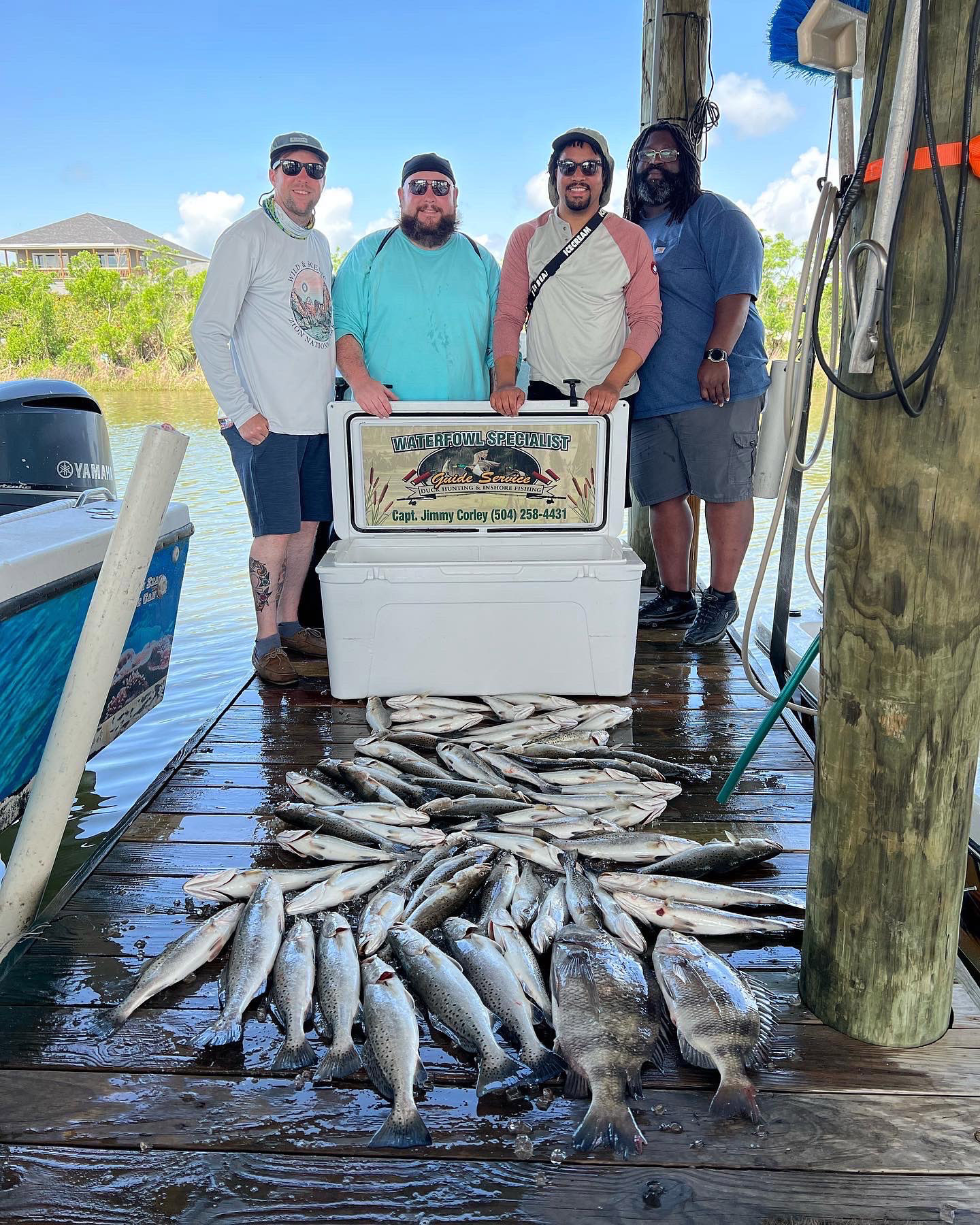
Speckled trout are a favorite among inshore anglers and are known for their abundance during cooler water temperatures. Spring and fall are the best times to catch them, as they gather in schools along grassy shorelines, oyster beds, and passes. Summer can still produce solid fishing in deeper waters or near tidal movement, while winter often sees smaller fish closer to protected marshes. Daily limits and size restrictions are set by LDWF to ensure sustainability. For anglers looking for steady action, spring and fall provide the most consistent results.
Flounder
Flounder fishing is highly seasonal in Louisiana. These flatfish are popular inshore targets during the fall migration when they move toward passes and Gulf waters to spawn. Recent management changes have introduced closed periods, usually in late fall, to protect the species during spawning. Because of these closures, anglers should always confirm open season dates before planning a flounder trip. When the season is open, flounder provide excellent fishing opportunities near sandy bottoms and marsh drains.
Sheepshead
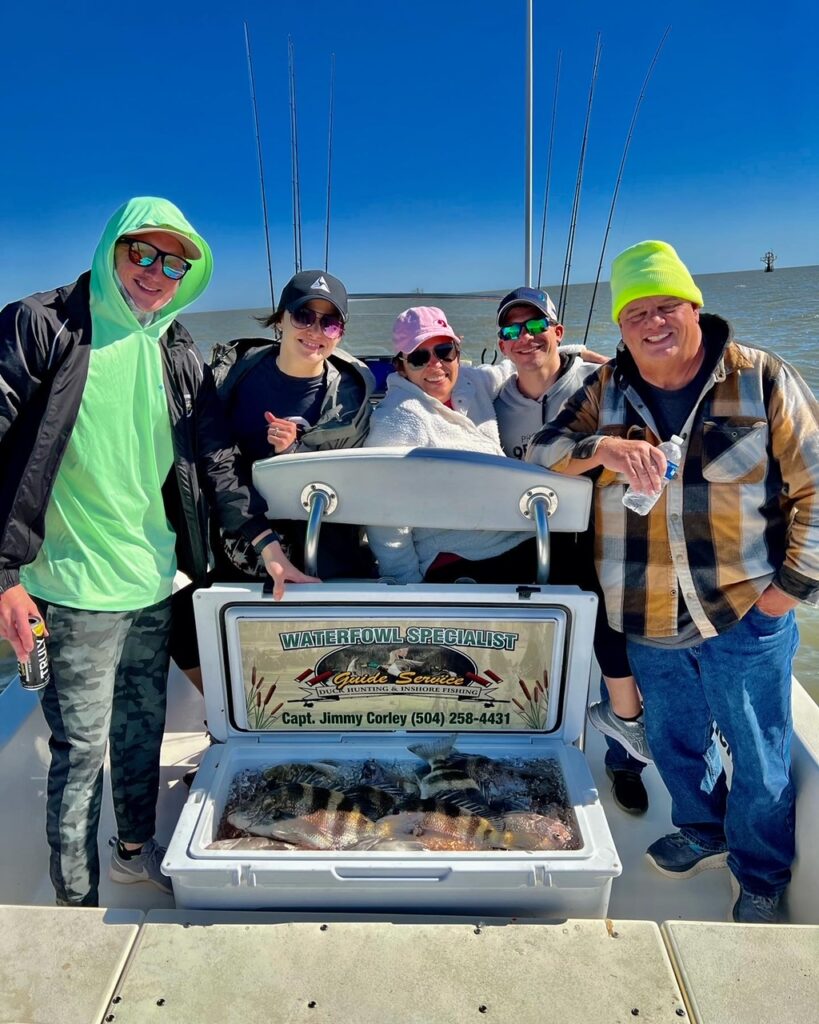
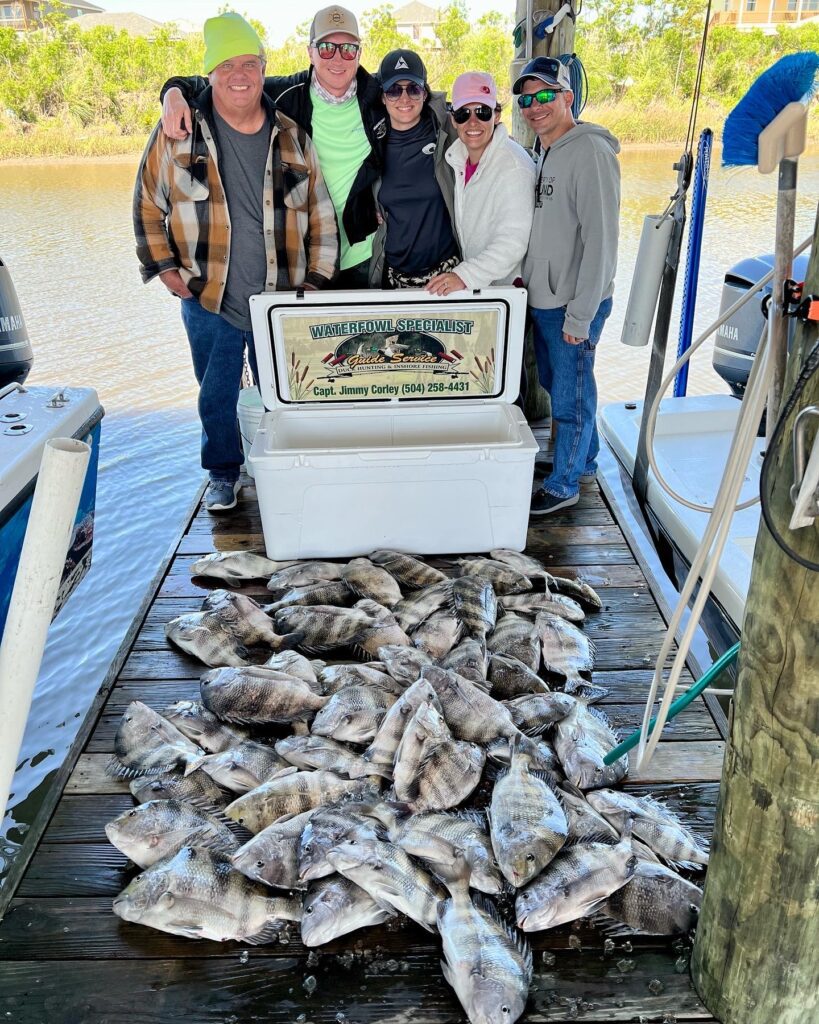
Sheepshead are another inshore species with distinct seasonal patterns. Known for their vertical stripes and strong bite, they are often caught around docks, reefs, and oyster beds. They are especially active in late winter and early spring when they move closer to shore to spawn. While not always the primary target for anglers, they provide reliable action during colder months when other species may be less predictable. Their reputation as a hard-fighting fish and excellent table fare makes them a worthwhile seasonal option.
Red Snapper and Other Nearshore Crossovers
Although primarily managed as an offshore species, red snapper is an important part of Louisiana’s fishing calendar and sometimes overlaps with nearshore trips. The season is usually limited to summer months and tied to federal or state quotas. Other species such as cobia and amberjack also appear closer to shore at certain times of year, often in spring and summer. While they are not the main focus for inshore charters, knowing their seasonal availability is useful for anglers booking trips near the coast.
Why Knowing Inshore Seasons Matters
For anyone planning an inshore trip near New Orleans, timing makes a big difference. Spring and fall bring peak speckled trout activity, summer is reliable for slot redfish, and fall is prime time for trophy bull reds. Sheepshead fill the colder months, while flounder add seasonal variety in late fall when regulations allow. Understanding these cycles gives anglers the best chance of targeting their preferred species while staying within legal guidelines.
Month-by-Month Best Fish To Target in Louisiana
January – February
Winter conditions can be productive if anglers adjust their approach. Cold fronts push fish into predictable areas, and clear water helps with sight fishing.
- Redfish: Found in shallow marshes that warm up quickly during sunny days.
- Speckled Trout: Smaller trout hold in deeper channels and protected waters.
- Sheepshead: Peak season around docks, oyster reefs, and jetties.
March – April
Early spring brings a noticeable increase in fish activity. Rising water temperatures trigger spawning behavior and better feeding patterns.
- Speckled Trout: Strong numbers return to bays and marshes.
- Redfish: Slot reds are common, with some bull reds showing up as well.
- Sheepshead: Still available through early spring.
- Flounder: Begin to move back inshore after winter spawning.
May – June
Late spring and early summer offer some of the best all-around inshore fishing of the year.
- Redfish: Abundant in marshes, grass beds, and tidal passes.
- Speckled Trout: Peak fishing season, especially in passes and near barrier islands.
- Flounder: Active near sandy bottoms, points, and marsh drains.
- Sheepshead: Less common but still caught around structure.
July – August
Summer heat changes fishing patterns, but action remains steady for key species.
- Redfish: Slot fish remain reliable, and bulls start staging in passes.
- Speckled Trout: Best caught at dawn, dusk, or in deeper waters.
- Flounder: Present in modest numbers around marsh drains.
- Nearshore Crossover: Calm seas may allow access to cobia or red snapper.
September – October
Fall is the highlight of the Louisiana fishing calendar, with multiple species at their best.
- Redfish: Peak season for bulls, often schooling in large numbers near passes.
- Speckled Trout: Strong runs into bays and marshes as water cools.
- Flounder: Increased action during fall migration, prime months before closures.
November – December
Late fall and early winter fishing rewards anglers who adapt to cooler conditions.
- Redfish: Consistent year-round, especially in shallow marsh ponds.
- Speckled Trout: Still targeted in deeper channels and protected waters.
- Flounder: Migration peaks in November, though harvest closures usually apply.
- Sheepshead: Begin to move back inshore, setting up winter fishing opportunities.
Why the Month-to-Month Breakdown Helps
This monthly guide simplifies trip planning by showing which species are best to target at different times of year.
- Spring: Speckled trout and redfish dominate.
- Summer: Redfish stay reliable while trout move deeper.
- Fall: The best mix of trout, reds, and flounder.
- Winter: Redfish and sheepshead provide steady action.
By keeping track of what fish are in season in Louisiana each month, anglers can maximize success and choose the best time to book a New Orleans fishing charter.
How Environmental Factors Affect Fish Seasons
Water Temperature, Salinity, and Tides
Water conditions are some of the most important factors that influence when fish are active and where they can be found.
- Water Temperature: Most species have preferred temperature ranges. Speckled trout feed aggressively in cooler spring and fall waters, while redfish tolerate a wider range and can be caught year-round. Extremely hot or cold spells often slow feeding activity.
- Salinity: Rainfall and river flows affect salinity levels in marshes and bays. After heavy rain, saltwater species may move closer to the Gulf in search of stable conditions, while dry periods can push them deeper into the marsh.
- Tides: Movement of water plays a direct role in feeding. Incoming and outgoing tides concentrate baitfish, making redfish and trout more predictable around points, drains, and cuts. Slack tides often result in slower action.
Weather Patterns
Weather has both short-term and long-term effects on fish seasons.
- Cold fronts during winter push fish into deeper holes and channels for stable conditions.
- Extended periods of warm weather in spring accelerate spawning activity for trout and redfish.
- Heavy rainfall can muddy waters and reduce visibility, making sight fishing more difficult.
- Hurricanes can disrupt fishing for weeks, changing salinity levels and damaging habitat, but they may also create new structures that benefit fish over time.
Regulation Changes
Environmental pressures often lead to new rules that shape when species can be targeted. For example, flounder closures in late fall are designed to protect spawning fish. LDWF monitors populations and adjusts seasons, bag limits, and slot sizes to ensure stocks remain healthy. These changes may alter when certain species are legally “in season,” so anglers should check for updates before booking trips.
Fishing Pressure and Habitat Loss
Beyond weather and water conditions, human activity also affects seasonal fishing patterns.
- Fishing Pressure: High harvest during peak seasons can temporarily thin out local populations. Anglers may need to move farther or adjust techniques to find fish.
- Habitat Loss: Erosion, coastal development, and loss of marshland reduce available habitat. This can push fish into smaller areas, concentrating them during certain times of year but also making sustainability more important.
Why It Matters
Environmental factors do more than influence when fish bite. They shape long-term patterns that determine which species will be available to future anglers. By understanding how temperature, tides, salinity, and weather affect fish behavior, anglers can adapt their strategies and improve success rates. At the same time, respecting regulations and acknowledging the impact of habitat change ensures Louisiana’s inshore fishing remains strong year after year.
Understanding Louisiana’s Fishing Seasons and Regulations
Role of the Louisiana Department of Wildlife and Fisheries
The Louisiana Department of Wildlife and Fisheries (LDWF) oversees fishing seasons, size limits, and daily catch restrictions. Their goal is to balance the enjoyment of anglers with the long-term sustainability of fish populations. Regulations are updated each year based on research and monitoring, so it is important to check the LDWF website before planning a trip. The agency also issues licenses, which are required for both residents and nonresidents. Having the proper license is just as important as knowing when certain fish are in season.
Saltwater vs Freshwater Seasons
Louisiana is unique because it offers both freshwater and saltwater fishing opportunities. The boundaries between the two are set by LDWF and can be different than what most people expect. In general, saltwater fishing starts near the coast, bays, and estuaries, while freshwater zones include rivers, lakes, and bayous further inland. Seasons and limits often vary depending on which side of the boundary you are fishing. For example, bag limits for redfish in saltwater areas differ from the limits placed on freshwater bass. Understanding where you are fishing helps make sure you are following the right set of rules.
How Biological Patterns Influence Seasons
Biology plays just as big a role as regulations in shaping fishing seasons. Many species follow predictable patterns based on water temperature and spawning cycles. Speckled trout become more active in spring and fall when the water cools, while catfish thrive during warmer months. Some species migrate closer to shore during certain times of year, giving anglers better access in inshore waters. By learning how these natural cycles work, anglers can plan their trips around peak activity times.
Why Regulations Matter for Anglers
Following fishing seasons and regulations is about more than avoiding fines. It helps protect fish populations so that anglers can continue to enjoy the same opportunities year after year. Restrictions on flounder during certain months, for instance, are designed to give the species time to recover and spawn successfully. When anglers follow these rules, they are contributing to conservation and ensuring that fishing remains strong in Louisiana.
Tips for Anglers and Charter Customers
Planning a Trip
The first step in having a successful fishing experience is to plan around the right season. Since each species has peak times, it helps to set clear goals before heading out. If you want to catch bull reds, fall is the best season. For speckled trout, spring and fall are prime. Flounder are most active in late fall when regulations allow harvest. Booking during these windows ensures you are targeting fish at their most predictable and abundant times.
Gear, Bait, and Techniques
The right equipment and tactics can make a big difference. Inshore fishing does not always require heavy gear, but matching the rod, reel, and line to the target species helps improve success.
- Redfish: Medium spinning gear with artificial lures like spoons or soft plastics works well. Live shrimp is also a reliable choice.
- Speckled Trout: Light to medium tackle paired with popping cork rigs and live bait such as shrimp or minnows is very effective.
- Flounder: Jigs tipped with soft plastics or live minnows fished near sandy bottoms are popular.
- Sheepshead: Light tackle with small hooks and natural baits such as crabs or shrimp is best when fishing near structure.
Adapting techniques to seasonal behavior, such as fishing deeper channels in summer or sight casting in shallow marsh ponds during winter, increases your odds of success.
Booking a Charter
For many anglers, booking a Louisiana fishing charter is the easiest way to experience inshore fishing. Charter captains know the seasonal patterns, prime locations, and best techniques. This local knowledge saves time and often leads to better results. It is also important to book early during peak months since demand for charters is highest in spring and fall. Communicating with your captain about what species you want to target will help tailor the trip to your goals.
Checking Regulations
Staying up to date with LDWF regulations is a key part of planning any trip. Seasons, bag limits, and size restrictions can change from year to year.
- Review current LDWF announcements before each trip.
- Carry the appropriate fishing license and permits.
- Be aware of closed seasons for species like flounder.
By taking a few minutes to review the latest rules, you avoid penalties and support the long-term health of Louisiana’s fisheries.
Why These Tips Matter
Fishing in Louisiana is rewarding because of the variety and abundance of inshore species. Planning ahead, using the right gear, and working with experienced guides ensures a memorable trip. Pairing these steps with respect for regulations not only improves your own results but also protects fish populations for the future.
Why Knowing Fish Season Matters
Maximizing Success on the Water
Understanding seasonal patterns helps anglers make the most of their time on the water. Certain species are far more active during specific months, and knowing this allows you to target them at the right time. Planning a trip for speckled trout in spring or bull redfish in fall improves your chances of reaching your fishing goals. Instead of guessing, anglers can match their trip dates with peak activity periods and enjoy more productive outings.
Staying Legal and Ethical
Fishing seasons are also tied directly to regulations designed to protect fish populations. Following these rules is essential not only to avoid fines but also to support conservation efforts. When anglers respect closed seasons, they give species like flounder the chance to spawn and rebuild. Bag and size limits help ensure fish populations stay balanced. Staying informed about what fish are in season in Louisiana allows anglers to fish responsibly while still enjoying the resource.
Supporting Conservation
Knowing the timing of open and closed seasons contributes to long-term sustainability. For example, sheepshead are most active in late winter and early spring, and targeting them then helps spread pressure across multiple species rather than concentrating only on trout or redfish. By diversifying targets and respecting seasonal closures, anglers help maintain healthy ecosystems. This ensures Louisiana remains one of the best fishing destinations in the country.
Economic Benefits
Seasonal knowledge benefits more than just individual anglers. Local communities, charter businesses, and tackle shops all rely on fishing activity. Planning trips around peak seasons supports these businesses and strengthens the coastal economy. A visitor who books a fall bull redfish charter not only enjoys world-class fishing but also contributes to guides, marinas, restaurants, and small shops.
The Big Picture
Knowing when fish are in season matters because it ties together success, responsibility, and sustainability. Anglers who pay attention to seasonal shifts catch more fish, avoid legal issues, and help ensure future generations will have the same opportunities. It is a simple but powerful way to get the most out of every fishing trip while protecting Louisiana’s incredible inshore resources.
Frequently Asked Questions
What fish are in season in Louisiana right now?
Right now (depending on the month), redfish and speckled trout are almost always good bets in Louisiana’s inshore waters. Flounder may or may not be legal depending on whether the flounder season is closed for that time of year. It is best to check current LDWF rules and recent fishing reports for exact information in your region.
When is flounder season open in Louisiana?
Flounder season in Louisiana generally opens in late summer or early fall and closes in late fall during the spawning period. Because the exact dates can vary from year to year, LDWF publishes official regulations each season to confirm. Anglers should always verify the published season before planning a flounder trip to avoid legal issues.
Which inshore species are active in Louisiana during winter?
In winter months, redfish are often the most reliable inshore species, especially around shallow marshes and estuaries that get warmed by sun exposure. Sheepshead also become more accessible, particularly around reefs, structure, and oyster beds where they gather. Speckled trout may be present but usually in smaller numbers and often in deeper or more protected waters.
How do size and bag limits affect what fish are in season?
Size and bag limits are part of what defines whether a species is effectively “in season” for legal harvest. Even if a species is physically present, you may have to release fish that are undersized or exceed slot limits. Always check both the season status and size/bag restrictions for the species you plan to target.
Can climate or weather change what fish are in season in Louisiana?
Yes, climate and weather have a strong influence on fish behavior, migration, and spawning, which can shift when and where fish are catchable. For example, unseasonably warm water can cause fish to move into or out of areas earlier or later than usual. Regulation agencies may adjust seasons or issue temporary closures in response to those changes to protect stocks.
What are the legal penalties for fishing outside of season or regulation in Louisiana?
Fishing a species outside its legal season or for possessing fish below size limits can result in penalties that include fines and possible loss of license privileges. LDWF and state law enforce regulations through patrols, checks, and sometimes confiscation of catch or gear. Knowing what fish are in season, the size, bag limits, and following those rules protects both the angler and the fishery.
What Fish Are in Season in Louisiana: Final Thoughts
Understanding what fish are in season in Louisiana helps anglers make the most of every trip. Redfish, speckled trout, flounder, and sheepshead all have distinct seasonal patterns shaped by biology, regulations, and environmental factors. Knowing when each species is most active not only improves success rates but also ensures that anglers stay within legal and ethical guidelines. Planning trips with these seasons in mind provides better fishing opportunities while supporting conservation and the local economy.
If you are ready to experience the best of Louisiana’s inshore fishing, now is the time to book your trip with Waterfowl Specialist. Our guides know the seasonal patterns, prime spots, and techniques to put you on fish year-round. Reserve your trip today and enjoy a fishing adventure built around the season’s best opportunities.