

Louisiana is known across the Gulf Coast for its incredible redfish action, and there’s no better place to experience it than the marshes near New Orleans. From Delacroix to Hopedale and Shell Beach, these shallow waters hold redfish year-round, offering anglers everything from steady slot-size bites to trophy bull reds. Redfish are one of the most sought-after inshore species because they’re strong, aggressive, and thrive in Louisiana’s unique marsh habitat. In this post, we’ll take a closer look at why Louisiana is such a special place to fish for redfish, the best times and places to target them, and what gear and techniques work best. Whether you’re a first-time visitor or a local angler, you’ll find practical tips to help you make the most of your next trip on the water.
Why Louisiana Is Built for Redfish
The Perfect Redfish Habitat
Louisiana’s coast is a maze of marshes, bayous, and tidal flats that create ideal conditions for redfish to thrive. The mix of saltwater and freshwater in areas like Delacroix, Hopedale, and Shell Beach provides endless feeding grounds filled with shrimp, crabs, and baitfish. These rich waters give redfish everything they need to grow strong and abundant. The marsh’s shallow ponds and grassy shorelines are perfect for sight fishing, while nearby channels and bays hold larger bull reds. The structure, vegetation, and tides all work together to create a year-round fishery that’s hard to beat anywhere else in the country.
- Shallow ponds and grass edges attract slot-sized redfish.
- Deeper bayous and passes hold bull reds during tidal shifts.
- Consistent water movement keeps bait active and reds feeding.
This mix of habitat diversity and tidal flow makes the St. Bernard marsh system one of the most productive redfish environments in the Gulf.
What Makes Redfish Special
Redfish, also known as red drum, are one of Louisiana’s most iconic inshore species. They’re built for the marsh, often cruising in just a few feet of water and feeding aggressively on whatever crosses their path. Their bronze bodies and signature tail spot make them easy to identify, and their strength makes every catch memorable.
In Louisiana, anglers can find two main types of redfish encounters: slot-sized reds that range from 16 to 27 inches and the giant bull reds that push past 30 pounds. Both are known for their powerful runs and ability to put even seasoned anglers to the test. What makes them truly special, though, is their year-round presence. No matter the season, redfish can be found somewhere in the marsh making them a favorite target for locals and visitors alike.
Whether you’re poling the flats in Delacroix or drifting near the passes of Shell Beach, the redfish’s resilience and constant availability make it a cornerstone of Louisiana’s inshore fishing culture.
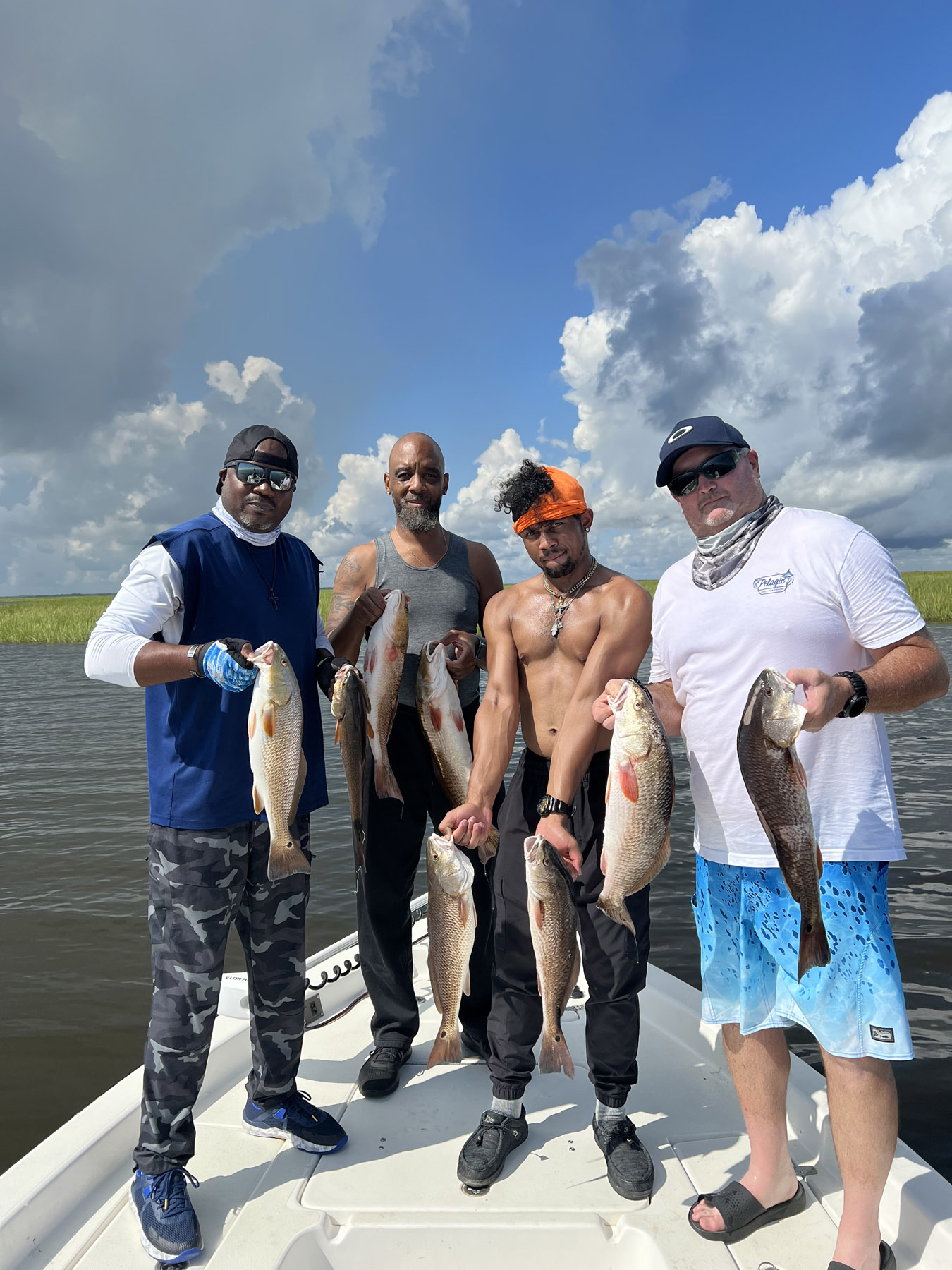
When to Catch Redfish in Louisiana
Seasonal Patterns
Redfish are available in the St. Bernard marsh every month of the year. Behavior shifts with the seasons — spring and fall offer the most consistent action, summer rewards early mornings, and winter produces great sight fishing in clear water. For a full month-by-month breakdown, see our Best Time to Catch Redfish Near New Orleans guide.
Best Times of Day and Tide Conditions
Timing your trip around the tides is one of the most important factors when inshore Louisiana fishing for redfish. These fish are highly influenced by water movement and use changing tides to find food.
- Incoming tides push bait into the marsh, drawing redfish along grass lines and drains.
- Outgoing tides concentrate bait as water drains out of ponds, creating excellent ambush points.
- Slack tides often slow the bite, so most anglers focus on periods of active movement.
The best times of day are typically early morning and late afternoon when temperatures are cooler and fish are most active. Wind direction and water clarity also play a role. Light winds from the southeast generally bring stable conditions and clear water in the St. Bernard marshes.
Planning your trip around a moving tide and favorable weather not only improves your odds but also enhances your time on the water. Whether you’re fishing in Delacroix’s winding bayous or working the drains near Shell Beach, understanding the seasonal and tidal patterns will help you stay on the fish all year long.
Top Redfish Areas Near New Orleans
The waters around Delacroix, Hopedale, and Shell Beach are the heart of this fishery. Each area offers different structure, depth, and access depending on conditions and what you’re targeting. For a full breakdown of each location and how to read conditions across them, see our Best Place to Catch Redfish Near New Orleans guide.
Tackle, Baits, and Techniques That Work
Go-To Gear for Louisiana Redfish
Having the right gear makes a big difference when targeting redfish in Louisiana’s marshes. The waters around St. Bernard Parish are filled with grass, oysters, and structure, so durable tackle is key. Most local anglers rely on a medium-heavy spinning rod paired with a 2500–3500 size reel. This setup provides enough power to handle big bull reds while maintaining the finesse needed for sight casting to smaller fish.
Spool your reel with 20–30 lb braided line and attach a 20–25 lb fluorocarbon leader. The braid helps with long, accurate casts in open water, while the fluorocarbon leader resists abrasion from oyster beds and keeps the presentation natural. Local captains often carry multiple rods rigged differently to adjust quickly to changing conditions.
Essential tackle to bring:
- Medium-heavy 7-foot rod for all-purpose casting
- 20–30 lb braided mainline with 2–3 feet of fluorocarbon leader
- Popping cork rigs, jig heads, and weedless hooks for different depths
- Polarized sunglasses to spot fish in shallow water
This setup ensures you’re ready for both slot reds in the marsh and bull reds in deeper channels.
Proven Baits and Lures
Redfish are aggressive feeders that hit a variety of natural and artificial baits. In Louisiana’s marshes, live or fresh bait is often unbeatable. Live shrimp, croakers, or cracked blue crabs draw quick strikes, especially around moving water. Soft plastics under popping corks are another local favorite because they mimic baitfish and create surface noise that grabs attention.
Some of the most productive lures include:
- Soft plastics on ¼-ounce jig heads (shrimp, paddle tails, or crawfish shapes)
- Gold or copper spoons that flash and vibrate in murky water
- Spinnerbaits for covering shoreline structure
- Topwater plugs during early morning or late afternoon bites
Color can make a difference, too. Natural tones like white, chartreuse, and purple are consistent producers in clear water, while darker colors perform well when the water is stained. Matching lure choice to water clarity and tide movement is key to staying on the bite.
Techniques for Consistent Success
Redfish behavior changes with conditions, so versatile techniques lead to better results. When the water is calm and clear, sight casting is one of the most exciting ways to fish. Look for tails, wakes, or small disturbances in shallow ponds. Make short, accurate casts ahead of the fish’s path and retrieve slowly to trigger a strike.
On windier days, blind casting along drains, points, and oyster reefs can be just as productive. Work popping cork rigs near grass lines or toss soft plastics along drop-offs where redfish wait for bait to move with the tide. When fishing deeper channels, try slow rolling a spoon or bouncing a jig along the bottom to attract larger bulls.
Tips for consistent success:
- Fish moving water and avoid long slack periods
- Retrieve lures naturally and avoid reeling too fast
- Adjust tactics for wind and water clarity
- Stay quiet and avoid spooking fish in shallow ponds
Whether you’re poling a flat in Delacroix or drifting a bayou in Hopedale, a thoughtful approach to tackle, bait, and technique will keep the action steady and make every trip more productive.
How Charter Captains Improve Your Odds
Benefits of Booking a Local Charter
Fishing for redfish in Louisiana’s marshes can look simple from the outside, but conditions change fast. Water levels, tides, and winds can all affect where the fish are holding. Local charter captains spend hundreds of days each year on the water, learning these patterns and adjusting on the fly. This knowledge gives guests a huge advantage.
Booking Louisiana fishing charters in St. Bernard Parish means you’ll have access to productive spots around Delacroix, Hopedale, and Shell Beach that most visitors never find. Captains understand how the tides move through each bayou, which areas stay clear after a windy day, and where redfish push up to feed when the water falls.
Other benefits include:
- All bait, tackle, and licenses provided
- Comfortable, well-equipped boats designed for shallow marshes
- Safe navigation through changing water conditions
- Tips and instruction tailored to your experience level
A good captain not only puts you on fish but also helps you understand the “why” behind each move.
What a Typical Day Looks Like
A redfish charter near St. Bernard Parish often begins before sunrise. Captains meet guests at the dock, load up gear, and run out toward the marsh as the sun starts to rise. The early hours are often the most productive, especially during summer and fall when redfish feed aggressively on moving tides.
Morning sessions usually focus on sight fishing in calm ponds or working shoreline points with popping cork rigs. As the day warms up, captains shift to deeper water where redfish seek cooler temperatures and steady current. Each trip is customized to conditions and guest preference, whether that means chasing trophy bull reds or filling a cooler with slot-sized fish.
A typical trip includes:
- Early morning departure to reach prime water before sunrise
- Fishing a mix of shallow flats and deeper bayous
- Adjusting tactics as tides and weather change
- Cleaning and packaging your catch back at the dock
By the time you return, you’ll have experienced a full day of action and a deeper appreciation for the local marsh system.
Tips for Making the Most of Your Trip
A little preparation goes a long way when fishing with a charter. Dress for the conditions, bring sun protection, and always wear polarized sunglasses. These help you spot fish and protect your eyes from glare. Make sure to stay hydrated and pack light so you can move freely around the boat.
It’s also important to communicate with your captain. Let them know your goals, whether you’re after numbers, size, or a relaxed learning experience. Captains appreciate feedback and enjoy teaching techniques to help guests become better anglers.
Keep these tips in mind:
- Listen to your captain’s instructions and stay patient between bites
- Handle fish carefully and follow regulations on limits
- Bring snacks, drinks, and any personal items you might need
- Take photos and enjoy the experience rather than rushing to the next catch
Fishing with a professional charter not only increases your odds of landing more redfish but also turns your trip into a fun, stress-free adventure. In the marshes of St. Bernard Parish, local guides are the key to making the most of everything Louisiana’s redfish fishery has to offer.
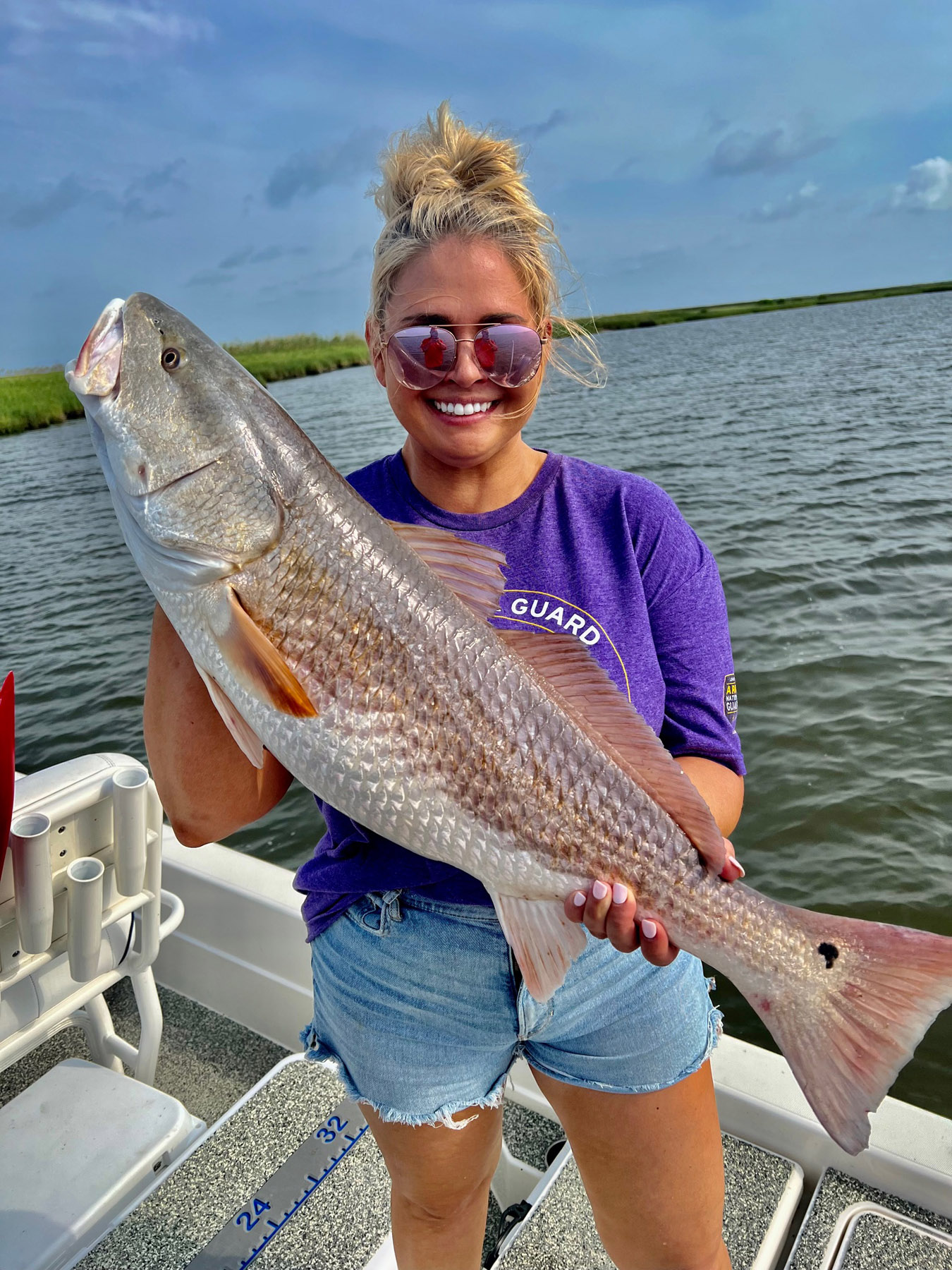
You Came for New Orleans. Now Get Into the Marsh.
Most people come to New Orleans for the food, the music, and the culture. And they should — there’s nowhere else like it.
But if you’re already making the trip, you’re 35 minutes from one of the best redfish fisheries in the country. Getting out on the water isn’t leaving New Orleans behind — it’s seeing the rest of it.
The same coast that produces the shrimp, the crawfish, and the oysters on every menu in the French Quarter is alive out here in the marsh. Louisiana didn’t earn the name “Sportsman’s Paradise” by accident. You just don’t see that part from Bourbon Street.
Spend your evening eating and listening to live music. Spend your morning sight-casting to tailing reds in the marsh. Not many places in the world let you do both in the same 24 hours.
Captain Jimmy Corley runs guided trips out of Shell Beach year-round. Call (504) 258-4431 or fishing and see the side of Louisiana most visitors never know exists.
Frequently Asked Questions
What is the best time to catch redfish in Louisiana?
Redfish bite year-round in Louisiana, but prime months are spring through fall when water warms and bait is abundant. Fall often produces the most aggressive feeding, especially for bull reds. Winter can still be productive in warmer marsh drains or deeper bayous when conditions are mild.
Can you sight fish redfish in Louisiana’s marshes?
Yes. When water is clear and wind is light, sight casting to tailing redfish is one of the most rewarding techniques. The shallow ponds and flats around Delacroix and Biloxi Marsh are ideal for spotting fish visually. Local guides often adjust their routes to favor sight-casting when conditions allow.
What gear should I bring to fish for redfish in Louisiana?
A medium-heavy rod with 20–30 lb braided line and a fluorocarbon leader around 20–25 lb is a versatile setup. Bring multiple rigs (popping corks, soft plastics, spoons) so you can change tactics quickly. Polarized sunglasses and durability against oyster beds are also essential.
What are the legal size and bag limits for redfish in Louisiana?
In Louisiana, you may keep redfish within the 16–27 inch slot, with up to five fish per person per day (subject to change). Only one fish over 27 inches is allowed in some cases, but it’s best to confirm current rules with Louisiana Wildlife and Fisheries. Always stay updated on regulations to ensure compliance and conservation.
Do redfish move with the tides, and which tide is best?
Yes, redfish respond strongly to water movement and often feed most aggressively on incoming and outgoing tides. Incoming tides bring bait into marsh edges and drains, while outgoing tides funnel prey into concentrated ambush zones. Slack tide is generally less productive, so plan your trip around active tidal windows.
Is it better to use live bait or artificial lures for redfish in Louisiana?
Live bait (shrimp, crabs, mullet) often draws quick strikes, especially in pressured or picky water. But soft plastics, spoons, and popping cork rigs are extremely effective and allow you to cover more ground. The best choice depends on conditions, fish behavior, and your comfort.
For a complete look at where and when to fish, see our Best Place to Catch Redfish Near New Orleans and Best Time to Catch Redfish Near New Orleans guides.
Experience the Best Redfish Fishing in Louisiana with Waterfowl Specialist
The marshes of St. Bernard Parish are 35 minutes from downtown New Orleans and loaded with redfish year-round. Captain Jimmy Corley has been fishing these waters his whole life. Call (504) 258-4431 or book your trip here and get out into the marsh.